The Hidden Cost of Passive Learning in STEM
Watching a lecture and understanding a lecture feel identical in the moment. But one builds knowledge and the other builds false confidence. The distinction matters more than most educators realize.
Perspectives on STEM education, learning science, and building AI that teaches instead of tells.

Fear of AI in the classroom is understandable. But while educators debate whether it belongs, students are already using it unsupervised. The real question isn't whether AI should be in education. It's who controls it.

We reviewed recent large-scale surveys on AI adoption in higher education. The data paints a picture of rapid student adoption, widespread faculty anxiety, and a growing gap between how AI is used and how it should be.

85% of students use AI for coursework. 95% of faculty worry it's eroding critical thinking. The disconnect isn't about technology — it's about the absence of shared expectations.

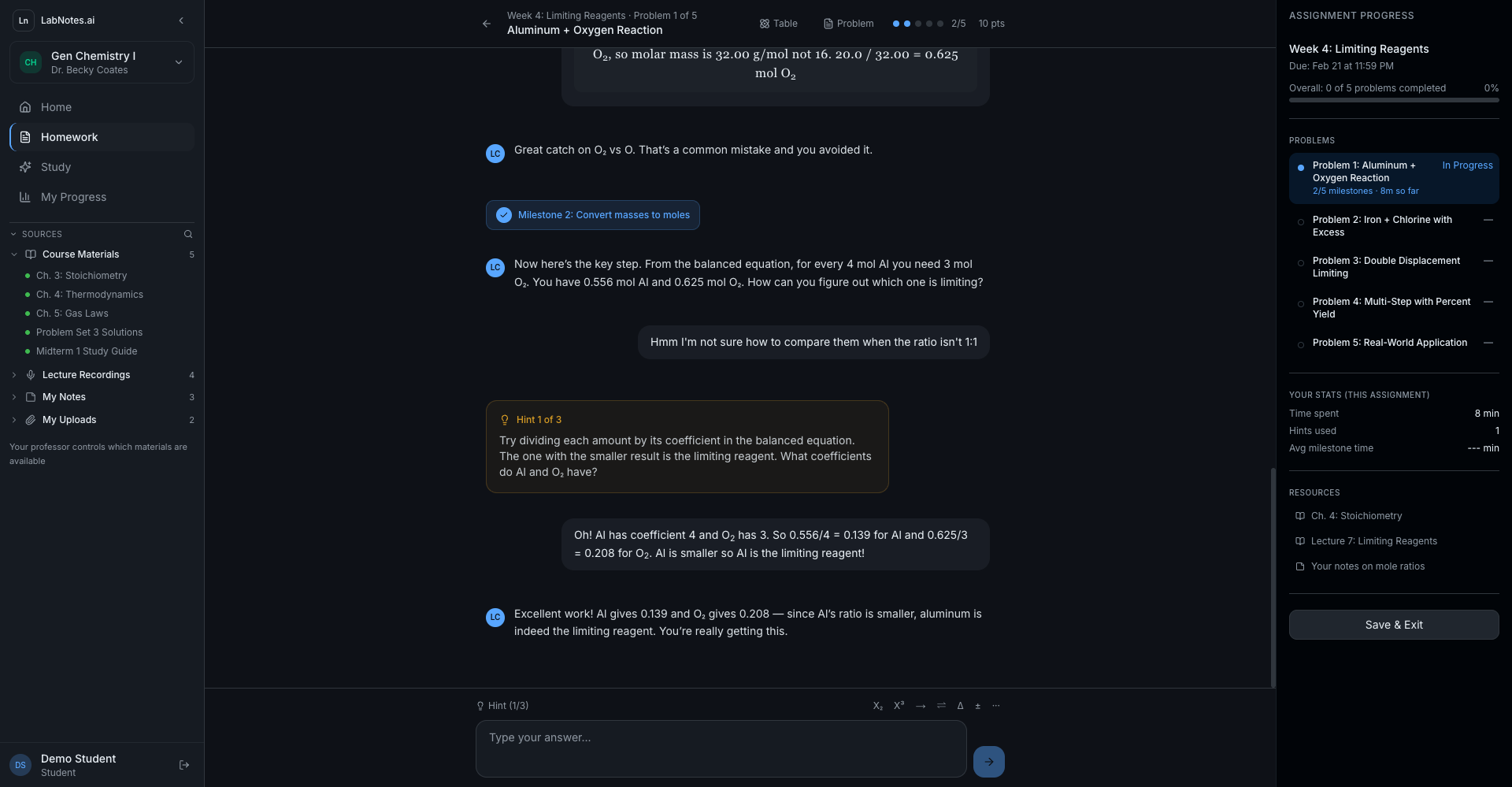
See how Socratic questioning, smart milestones, and just-in-time hints turn confusion into confidence — exactly like office hours with your favorite professor.

Traditional STEM tutoring hasn't changed in decades. It's expensive, inconsistent, and unavailable when students actually need it. AI changes the equation entirely.

As AI tools become ubiquitous in higher education, students are increasingly cutting corners and accepting incorrect answers at face value. The result is confidence without comprehension.

When I first taught our senior Chemistry capstone, conversations about AI were dominated by fear. Two years later, I'm asking a different question: how do we prepare students for a scientific world where these tools are everywhere?

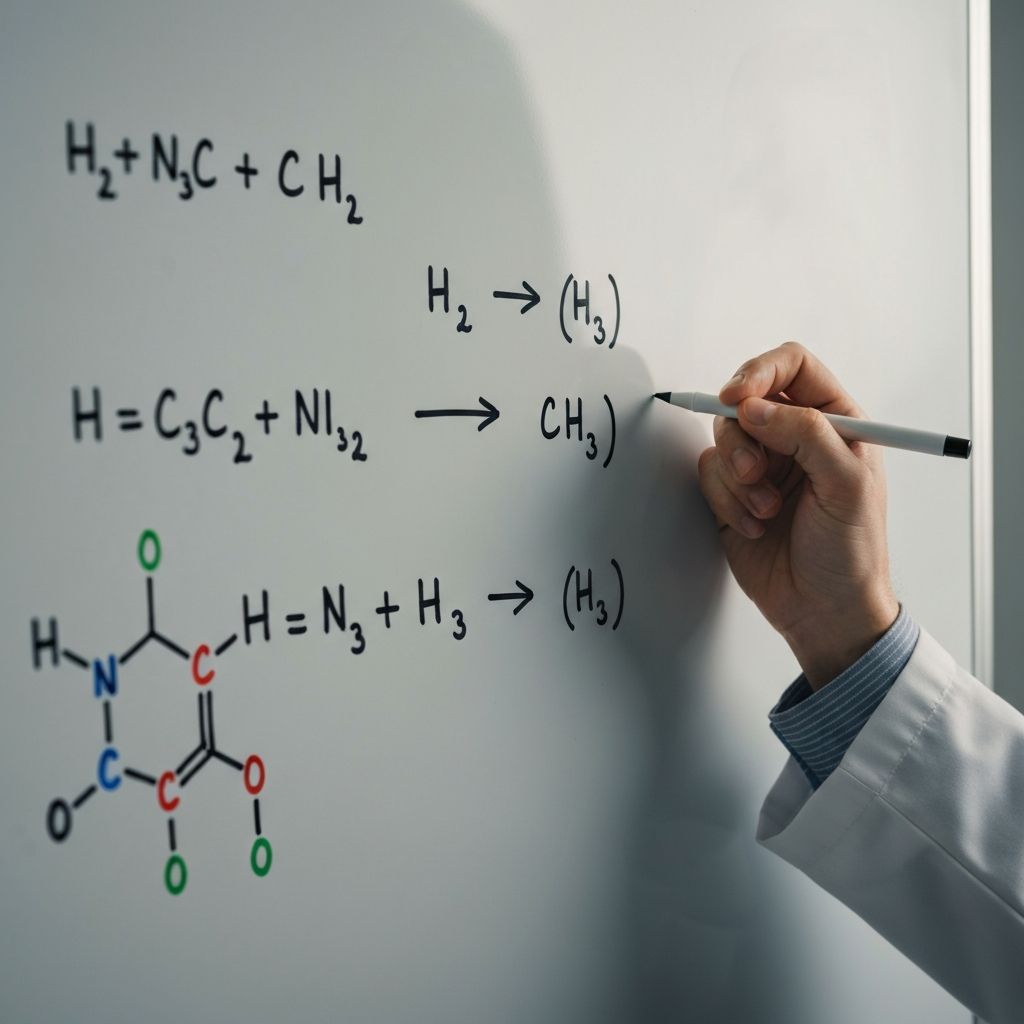
Equations, chemical notation, and handwritten notes break every standard accessibility tool. Here's what actually works — and a free tool to do it.

My perspective on why exceptional design is inseparable from learning, trust, and business success—and why LabNotes.ai refuses to look or feel like traditional edtech.

Most AI tools optimize for correctness. We optimized for understanding. Here is the pedagogical reasoning behind LabNotes.ai and why the hardest design decision was teaching an AI to hold back.

The April 2026 ADA Title II deadline requires WCAG 2.1 AA compliance for all digital content at public universities. A practical breakdown of what that means, what's at risk, and where to start.

For 2,400 years, the best teachers have asked questions instead of giving answers. We explore how large language models can finally scale this approach to every student.

fter talking with a chemistry professor about how homework is actually created, managed, and reviewed, one thing became clear: today’s homework platforms are optimized for control, not learning.

Traditional assessments tell professors what students got wrong. AI-driven formative assessment can reveal why they got it wrong and intervene before the exam.

New research suggests that articulating reasoning aloud activates different cognitive pathways than typing. We built voice interaction into LabNotes.ai from day one.

Banning AI from classrooms is a losing battle. Instead of detection and punishment, we propose a model built on alignment: making AI a tool for learning, not a shortcut around it.

From adaptive AI tutors to competency-based progression, the forces reshaping higher education are accelerating. A look at what is coming and what educators should prepare for.